By Cindy Evans
October 2, 2026
Land clearing services provide the essential foundation for turning raw acreage into usable real estate for residential, commercial, or agricultural development. Before groundbreaking begins, property owners must understand how commercial contractors estimate overall financial requirements on a per-acre basis. Comprehensive pre-construction planning helps project stakeholders anticipate baseline expenses, secure financing, and align operational objectives with realistic budgetary parameters.
Every parcel of land presents distinct physical traits, local regulatory demands, and operational challenges that influence the final cost estimate. Critical factors ranging from tree density and slope steepness to municipal permits shape the bottom line of any site preparation contract. By breaking down how contractors evaluate these site variables, property owners can prepare accurate financial forecasts and establish smooth project execution timelines.
Evaluate Site Vegetation and Topography
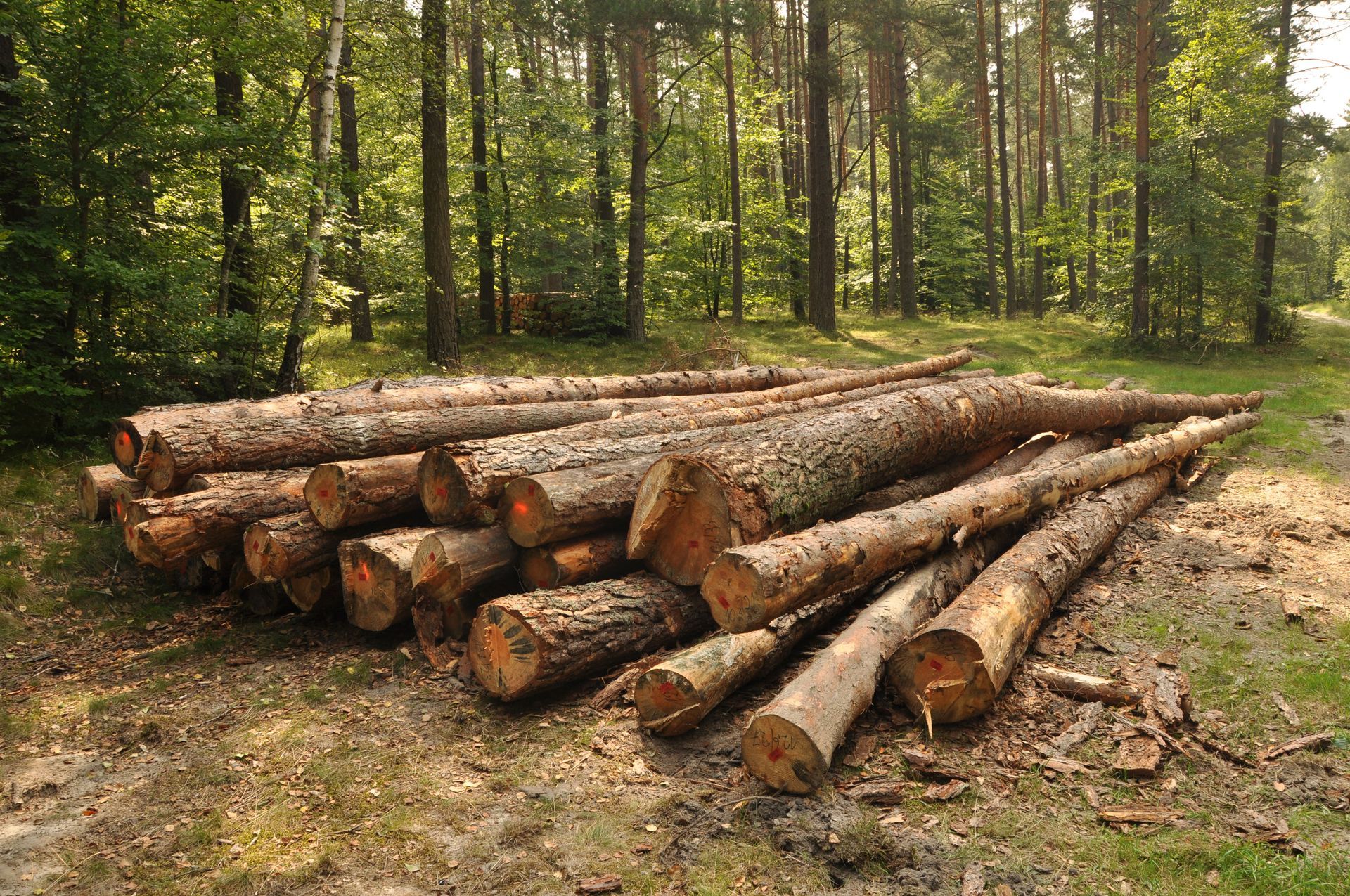
When hiring land clearing services, evaluating the density, maturity, and type of existing vegetation serves as the initial step in determining per-acre costs. Light brush, thin native grass, and small saplings require minimal physical effort to clear, keeping overall operational expenses low. In contrast, dense forests populated with mature hardwood trees demand heavy machinery, heavy fuel consumption, and extended operational hours, which significantly increase baseline expenses per acre.
Land layout and terrain slope also play a major role in shaping pricing models for site preparation. Flat terrain allows heavy equipment to maneuver efficiently across the plot, expediting job completion while reducing labor expenses. Conversely, uneven ground, steep inclines, and hidden rocky outcrops create hazardous operating conditions that slow progress, requiring specialized machinery and highly skilled operators to guarantee safety.
According to HomeGuide, overall plot size serves as a major cost factor during site preparation, rendering the clearance of a single acre more expensive per acre than clearing five acres because of equipment mobilization. Transporting heavy machinery to a job site involves fixed baseline costs regardless of total land area. Spreading those fixed transportation fees across larger acreage yields better operational efficiency and lowers the overall unit cost for landowners.
Review Local Regulations and Accessibility
Site accessibility significantly impacts project logistics and financial expenditure during site preparation. Properties situated near major paved roadways allow seamless transport of heavy machinery, work crews, and debris disposal vehicles. Remote locations lacking developed access roads require custom transport solutions or temporary access road construction, adding logistical complexity and driving up initial project estimates.
Reliable land clearing services must also navigate municipal codes, zoning regulations, and local permit requirements before work begins. Obtaining necessary permits often involves administrative fees, formal site reviews, and specialized environmental impact studies. Failing to account for local regulatory requirements can lead to severe project delays, costly municipal fines, or immediate work stoppages that compromise overall project budgets.
In addition to standard permit fees, municipal ordinances may dictate strict daily working hours, noise thresholds, and debris hauling protocols. Compliance with these rules requires careful schedule adjustments and detailed logistics management by the project team. Integrating these regulatory requirements into early budget assessments prevents unexpected financial burdens during active site preparation activities.
Analyze Ecological Factors and Impact
Modern land clearing services emphasize ecological stewardship alongside site preparation goals. Protecting sensitive wetlands, preserving designated native tree species, and managing local water runoff require meticulous early planning. Contractors must balance aggressive land clearing goals with environmental conservation standards established by municipal, state, and federal governing agencies.
Environmental site assessments often reveal specific constraints that influence project execution strategies and pricing. For instance, projects situated near designated conservation zones or endangered species habitats may require specialized containment barriers or restricted clearing zones. Implementing these protective measures increases labor and material costs but avoids long-term environmental degradation and legal liabilities.
Adopting eco-friendly clearing techniques can offer strategic financial advantages over the lifecycle of a project. Proper topsoil preservation and proactive erosion control reduce the need for costly site remediation before construction starts. Moreover, certain local jurisdictions offer financial incentives or streamlined permit approvals for development projects that demonstrate sustainable land management practices.
Compare Primary Land Clearing Methods
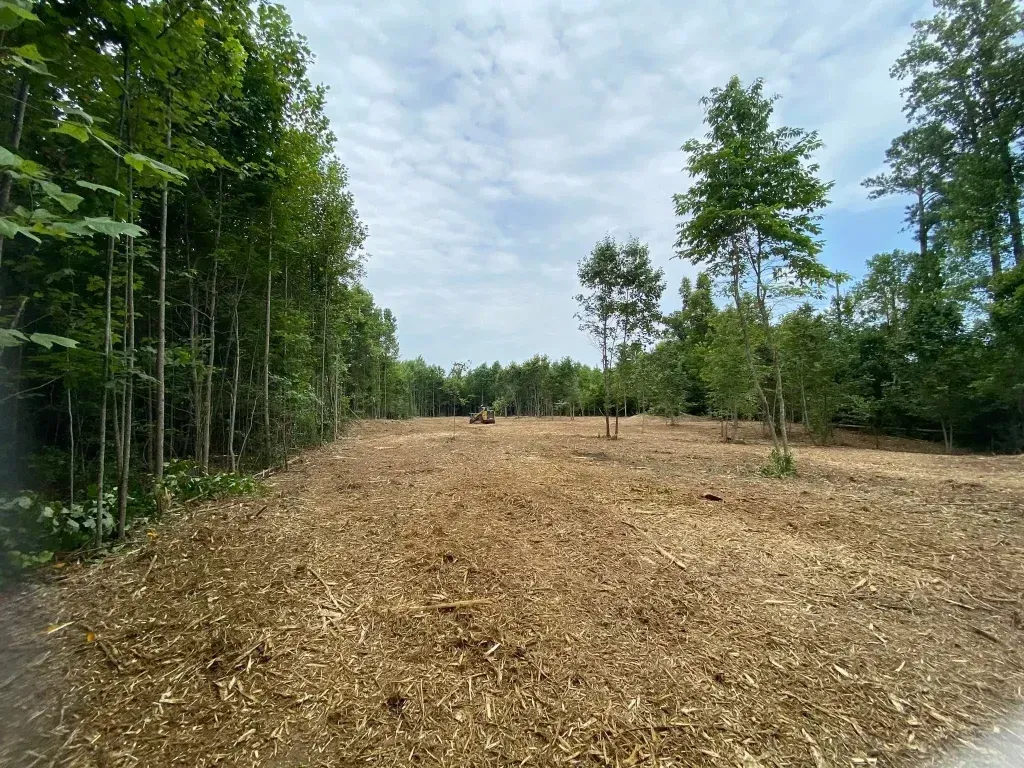
Understanding how land clearing services select appropriate clearing techniques is fundamental to controlling overall project costs. Mechanical clearing represents the most common method, utilizing heavy machinery to remove trees, roots, and dense brush rapidly. While highly efficient for expansive acreage, heavy reliance on large equipment increases overall fuel consumption, equipment maintenance, and machinery transport expenses.
Chemical clearing involves targeted herbicide applications to suppress unwanted brush, invasive plant species, and persistent root systems over extended periods. This method works well for long-term vegetation management on agricultural plots, offering lower immediate labor demands for property owners. However, chemical purchases, specialized application equipment, and environmental safety compliance must be factored into the overall cost structure.
Manual clearing and controlled burning offer alternative approaches tailored to specific site conditions and project constraints. Manual clearing utilizes hand tools and physical crew labor, providing exceptional precision in delicate ecosystems or tight spaces where heavy machinery cannot maneuver safely. Controlled burning eliminates dense underbrush rapidly with minimal machinery, though strict burn permits, professional fire safety management, and ideal weather conditions are mandatory.
Select Advanced Machinery and Tools
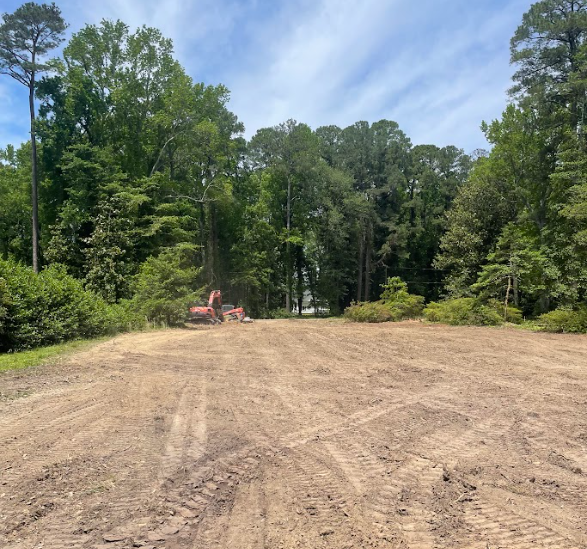
The choice of heavy machinery by land clearing services directly influences both work execution speed and overall operational overhead. Equipment selections range from versatile skid steers and compact track loaders to heavy-duty bulldozers, excavators, and high-capacity forestry mulchers. Deploying the correct machinery size ensures optimal power for site challenges without incurring unnecessary fuel expenses or equipment wear.
Routine maintenance and ongoing operating expenses represent a major share of total equipment cost calculations. Heavy machinery endures severe mechanical stress while clearing thick timber, rock, and stubborn stumps, requiring routine servicing, part replacements, and persistent upkeep. Operators factor equipment depreciation, wear and tear, and hourly fuel consumption directly into their per-acre rate structures.
Project managers must evaluate whether machinery rental or direct ownership aligns better with long-term project financial goals. Equipment rental provides immediate access to specialized tools without long-term capital commitment, though ongoing daily rental rates add up quickly on extended projects. Direct equipment ownership yields lower per-job costs over time but demands continuous capital investment in facility storage, insurance, and routine maintenance.
Manage Labor Allocation and Safety
Labor expenses form a significant component of per-acre land clearing quotes across various commercial developments. Regional wage rates, labor availability, and required crew sizes directly dictate overall payroll expenditures for contractors. Complex terrain or dense timber requires larger work crews and specialized machine operators, driving up overall labor investment across the project lifecycle.
Skilled land clearing services focus on strategic labor scheduling and resource allocation to prevent operational bottlenecks on the job site. Proper scheduling ensures that equipment operators, ground crews, and safety supervisors work in complete sync, minimizing idle machine time and reducing unnecessary overtime expenses. Efficient labor stewardship protects project profit margins while maintaining steady site progress.
Prioritizing crew safety and ongoing technical skill training acts as a critical cost-control mechanism for contractors. Well-trained crews handle heavy machinery safely, preventing site accidents, equipment damage, and injury claims during operation. Implementing strict safety protocols ensures regulatory compliance, reduces workers' compensation liabilities, and keeps site work moving forward according to schedule.
Estimating per-acre land clearing costs requires a comprehensive evaluation of site terrain, vegetation density, physical accessibility, and local regulatory requirements. By understanding how these variables interact with equipment choices, labor allocation, and clearing methodologies, landowners can build realistic budgets and avoid unexpected cost overruns. Proper site preparation sets the ultimate foundation for successful, sustainable real estate development.
Partnering with experienced industry professionals guarantees efficient execution, full regulatory compliance, and transparent pricing tailored to your unique property goals. To receive an accurate quote and launch your project with confidence, contact us today at Virginia Land Clearing And Development INC.