By Cindy Evans
March 6, 2026
Land Clearing Services in Hampton Roads VA | Virginia Land Clearing and Development
Land Clearing Services in Hampton Roads VA | Expert Site Preparation and Development Solutions
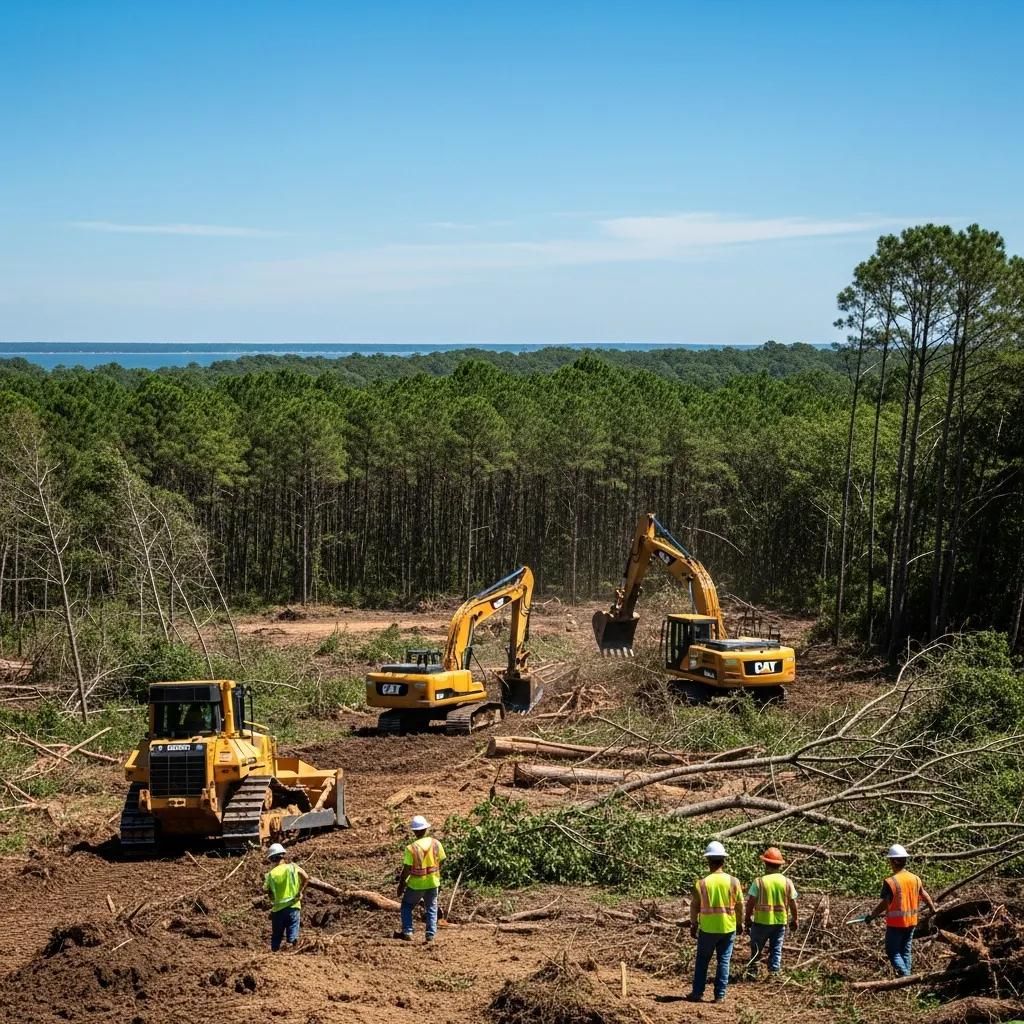
Land clearing is a crucial step in preparing a site for construction and development, particularly in regions like Hampton Roads, Virginia. This process involves removing trees, brush, and other obstacles to create a clean slate for future projects. Understanding the various land clearing services available can help property owners and developers make informed decisions. In this article, we will explore the comprehensive land clearing services offered by Virginia Land Clearing and Development, the methods used for tree removal and brush clearing, and the importance of site preparation in ensuring project success. Additionally, we will discuss environmental considerations, compliance requirements, and how to engage with Virginia Land Clearing and Development for your land clearing needs.
What Comprehensive Land Clearing Services Does Virginia Land Clearing and Development Offer?
Virginia Land Clearing and Development provides a range of services designed to meet the diverse needs of landowners and developers in Hampton Roads. Their offerings include:
- Tree & Brush Removal : Efficiently clearing trees and brush to prepare the land for construction.
- Stump Grinding & Removal : Eliminating stumps to ensure a smooth surface for future development.
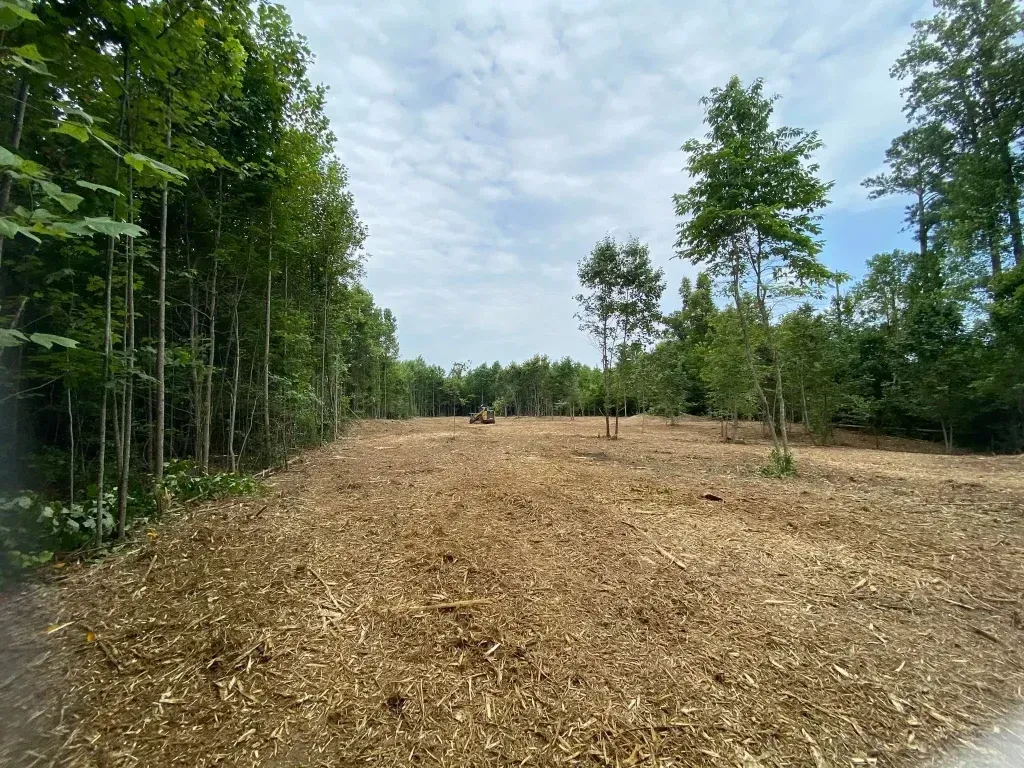
- Forestry Mulching : A method that reduces vegetation to mulch, promoting soil health and preventing erosion.
These services are essential for effective land preparation, ensuring that the site is ready for the next stages of development. For more information about these services, you can contact Virginia Land Clearing and Development at 757-870-7089 or via email at Luke.Evans@virginialcd.com.
Further research highlights the extensive environmental and agricultural advantages of mulching for site preparation.
Environmental & Agricultural Benefits of Mulching for Site Preparation
Mulching could potentially serve the purpose by reducing soil evaporation, conserving moisture, controlling soil temperature, reducing weed growth, and improving microbial activities. Additionally, mulches could provide economical, aesthetic, and environmental advantages to agriculture and landscape. Moreover, in the restoration sites, mulches are widely used for the plantation of trees which need no significant care. Mulches combat with different stress conditions in agricultural lands as well as in landscapes.
Potential agricultural and environmental benefits of mulches—a review, R Iqbal, 2020
How Are Tree Removal and Brush Clearing Executed Safely and Efficiently?
Tree removal and brush clearing are executed using specialized techniques and equipment to ensure safety and efficiency. The process typically involves:
- Assessment : Evaluating the site to identify hazards and determine the best approach for removal.
- Safety Protocols : Implementing safety measures to protect workers and nearby structures during the clearing process.
- Equipment Use : Utilizing advanced machinery, such as chainsaws and chippers, to facilitate quick and effective clearing.
By following these steps, Virginia Land Clearing and Development ensures that tree removal and brush clearing are conducted with minimal disruption and maximum safety.
What Land Grading and Excavation Services Support Site Preparation?
Land grading and excavation are critical components of site preparation that support the overall development process. Virginia Land Clearing and Development offers the following services:
- Grading : Leveling the land to create a stable foundation for construction.
- Excavation : Removing soil and debris to prepare the site for building.
- Soil Stabilization : Ensuring the ground is firm and secure to support structures.
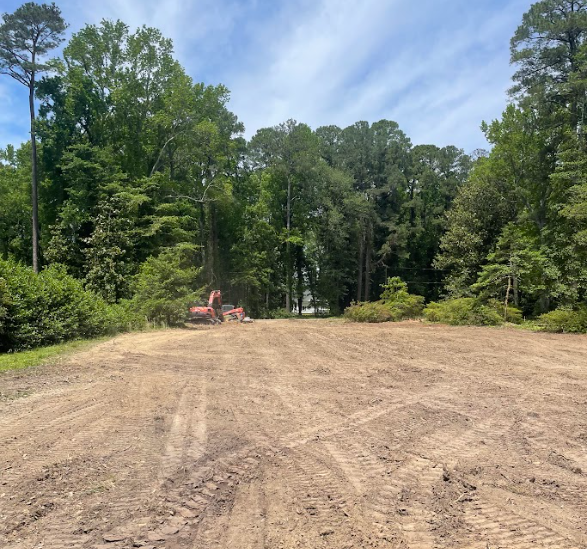
These services are vital for creating a safe and effective building site, allowing for proper drainage and structural integrity.
How Does Site Preparation in Hampton Roads VA Ensure Project Success?
Effective site preparation is essential for the success of any construction project. It involves several key steps:
- Consultation & Site Evaluation : Understanding the specific needs of the project and assessing the land’s condition.
- Permitting & Preparation : Securing necessary permits and preparing the site according to local regulations.
- Erosion Control : Implementing measures to prevent soil erosion during and after the clearing process.
By focusing on these aspects, Virginia Land Clearing and Development helps ensure that projects proceed smoothly and meet all regulatory requirements.
What Are the Key Steps in Preparing Land for Construction and Development?
Preparing land for construction involves a systematic approach that includes several critical steps:
- Consultation & Site Evaluation : Engaging with clients to understand their goals and assess the site.
- Tree & Brush Removal : Clearing the area of any vegetation that may obstruct construction.
- Final Cleanup : Ensuring the site is clean and ready for the next phase of development.
These steps are crucial for laying a solid foundation for any construction project, minimizing delays and complications.
How Does Customized Site Preparation Address Local Terrain Challenges?
Customized site preparation is tailored to address the unique challenges presented by local terrain. Virginia Land Clearing and Development focuses on:
- Site Evaluation : Analyzing the specific characteristics of the land, including soil type and topography.
- Customized Project Plan : Developing a plan that addresses the unique needs of the site.
- Erosion Control Measures : Implementing strategies to prevent erosion and protect the environment.
This tailored approach ensures that each project is handled with the utmost care and consideration for local conditions.
What Environmental and Regulatory Considerations Guide Land Clearing in Hampton Roads?
Environmental and regulatory considerations play a significant role in land clearing projects. Key factors include:
- Erosion Control : Implementing practices to prevent soil erosion and protect waterways.
- Compliance with Regulations : Adhering to local, state, and federal regulations governing land clearing and development.
- Environmental Stewardship : Committing to sustainable practices that minimize environmental impact.
By prioritizing these considerations, Virginia Land Clearing and Development ensures that their projects are not only effective but also environmentally responsible.
The unique challenges of land use in Virginia, particularly concerning urban growth and environmental preservation, underscore the importance of these considerations.
Virginia Land Use: Urban Growth, Farmland, & Chesapeake Bay Preservation
In Virginia, the land application of biosolids program exemplifies the conflicts between urban growth, farmland protection and Chesapeake Bay preservation while offering a tool to achieve all three in an environmentally safe and publicly acceptable manner. Virginia is representative of an area where urban sprawl is rapidly impinging on traditionally rural counties. Additionally, the state embodies a large proportion of the watershed of the nation’s largest estuary – the Chesapeake Bay, which presents additional environmental challenges.
Land Application in Virginia–A Unique Challenge, 2002
Which Permits and Compliance Requirements Are Essential for Land Clearing Projects?
Before commencing land clearing projects, several permits and compliance requirements must be addressed:
- Obtaining Permits : Securing necessary permits from local authorities to proceed with land clearing.
- Erosion Control Measures : Implementing strategies to manage erosion during the clearing process.
- Compliance with DEQ Standards : Ensuring that all activities meet the standards set by the Department of Environmental Quality.
Navigating these requirements is crucial for the successful execution of land clearing projects.
How Does Virginia Land Clearing and Development Implement Environmentally Responsible Practices?
Virginia Land Clearing and Development is committed to environmentally responsible practices, which include:
- Forestry Mulching : Using this method to reduce vegetation while enriching the soil.
- Erosion Control : Implementing measures to prevent soil loss and protect local ecosystems.
- Continuous Improvement : Regularly updating practices to align with the latest environmental standards.
These practices reflect the company’s dedication to sustainability and environmental stewardship.
Studies confirm the significant impact of such practices, particularly mulching, in mitigating erosion on construction sites.
Construction Site Erosion Control: Best Practices & Mulch Effectiveness
A literature review was conducted to determine the effectiveness of erosion control products and practices commonly applied at construction sites, limiting ourselves to studies providing useful information for erosion estimation within the USLE/RUSLE framework. We found that erosion control mats reduced erosion most, followed in descending order by mulches, composts, hydromulches and bonded fiber matrixes (BFMs), polyacrylamides (PAMs), and lastly compaction methods. Excluding compaction, all of the methods relied on surface cover for erosion control and exhibited average soil loss ratios (SLR) from 0.21 to 0.38, indicating erosion reductions of 62% to 79% from what would be expected for bare loose soil.
A review of construction site best management practices for erosion control, JS Tyner, 2011
How Are Utility Land Clearing Services Specialized for Hampton Roads Infrastructure Needs?
Utility land clearing services are tailored to meet the specific infrastructure needs of Hampton Roads. Key services include:
- Access Road Clearing : Creating pathways for utility access and maintenance.
- Lot & Right-of-Way Clearing : Ensuring that utility lines are accessible and unobstructed.
- Soil Stabilization : Preparing the ground to support utility installations.
These specialized services are essential for maintaining the integrity of local infrastructure.
What Equipment and Techniques Are Used for Utility Corridor Clearing?
Utility corridor clearing involves the use of specialized equipment and techniques, including:
- Forestry Mulching : Efficiently clearing vegetation while preserving soil health.
- Grading and Excavation : Preparing the land for utility installations.
- Erosion Control Measures : Implementing strategies to prevent soil erosion during the clearing process.
These methods ensure that utility corridors are cleared effectively and sustainably.
How Does Coordination with Municipalities and Utility Partners Enhance Project Outcomes?
Coordination with municipalities and utility partners is vital for successful land clearing projects. Benefits include:
- Efficient Clearing : Streamlining the clearing process through collaboration.
- Regulatory Compliance : Ensuring that all activities meet local regulations.
- Long-term Stability : Establishing relationships that support ongoing maintenance and development.
This collaborative approach enhances project outcomes and fosters community relationships.
What Are Typical Project Timelines and Cost Factors for Land Clearing Services in Hampton Roads?
Understanding project timelines and cost factors is essential for planning land clearing services. Key considerations include:
- Consultation & Site Evaluation : Initial assessments can take 1-2 weeks.
- Customized Project Plan : Developing a tailored plan may require additional time.
- Permitting & Preparation : Securing permits can vary based on local regulations.
These factors contribute to the overall timeline and budget for land clearing projects.
How Is Land Clearing Project Duration Estimated and Managed?
Estimating and managing project duration involves several steps:
- Consultation & Site Evaluation : Initial assessments help establish a timeline.
- Customized Project Plan : A detailed plan outlines the expected duration of each phase.
- Permitting & Preparation : Timely permit acquisition is crucial for keeping projects on schedule.
Effective management ensures that projects are completed within the estimated timeframe.
What Pricing Structures and Transparency Can Clients Expect?
Clients can expect transparent pricing structures for land clearing services, which typically include:
- Detailed Project Plans : Clear outlines of services and associated costs.
- Scope of Work : Defined parameters for the project to avoid unexpected expenses.
- Transparent Pricing : Open communication about costs throughout the project.
This transparency fosters trust and ensures clients are well-informed.
How Can Clients Request Quotes and Engage Virginia Land Clearing and Development for Their Projects?
Clients interested in land clearing services can easily request quotes and engage with Virginia Land Clearing and Development by following these steps:
- Contact Information : Reach out via phone at 757-870-7089 or email at Luke.Evans@virginialcd.com.
- Quote Request Process : Provide details about the project, including goals and site specifics.
- Project Goals Discussion : Engage in a conversation to clarify expectations and requirements.
This straightforward process ensures that clients receive the support they need for their land clearing projects.
What Information Is Needed to Obtain an Accurate Land Clearing Estimate?
To obtain an accurate estimate for land clearing services, clients should provide the following information:
- Project Goals : Clear objectives for the land clearing project.
- Budget and Timeline : Desired budget constraints and project timelines.
- Site Details : Specific characteristics of the land, including size and current conditions.
Providing this information helps ensure that estimates are precise and tailored to client needs.
How Does the Company Ensure Client Satisfaction and Ongoing Support?
Virginia Land Clearing and Development prioritizes client satisfaction through several key measures:
- Clear Communication : Maintaining open lines of communication throughout the project.
- Customized Project Plans : Tailoring services to meet individual client needs.
- Continuous Improvement : Seeking feedback and making adjustments to enhance service quality.
These practices demonstrate the company’s commitment to client satisfaction and ongoing support.