March 23, 2026
Site Grading Before Construction: What Virginia Builders Need to Know
Essential Site Grading Guide for Builders
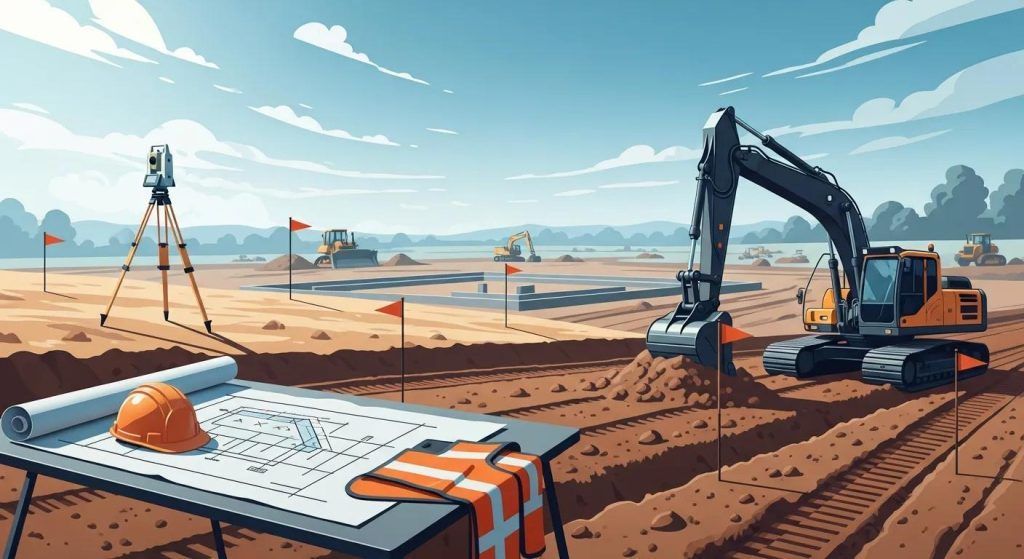
Site grading is a critical process in construction that involves preparing the land for building by leveling and shaping the terrain. For builders in Virginia, understanding the nuances of site grading is essential to ensure stability, proper drainage, and compliance with local regulations. This guide will delve into the importance of site grading, the step-by-step processes involved, and the regulations that builders must adhere to in Virginia. Many builders face challenges related to foundation stability and drainage issues, which can be mitigated through effective grading practices. By following this guide, builders will gain insights into best practices, necessary equipment, and the costs associated with site grading, ensuring a successful construction project.
What Is Site Grading and Why Is It Crucial for Virginia Builders?
Site grading refers to the process of leveling and shaping the land to prepare it for construction. This process is crucial for Virginia builders as it directly impacts the stability of the foundation and the effectiveness of drainage systems. Proper grading ensures that the land is adequately prepared to support structures, preventing future issues such as settling or water accumulation. Additionally, effective site grading can enhance the overall aesthetics of the construction site, making it more appealing to potential buyers or tenants.
Definition and Purpose of Land Grading in Construction
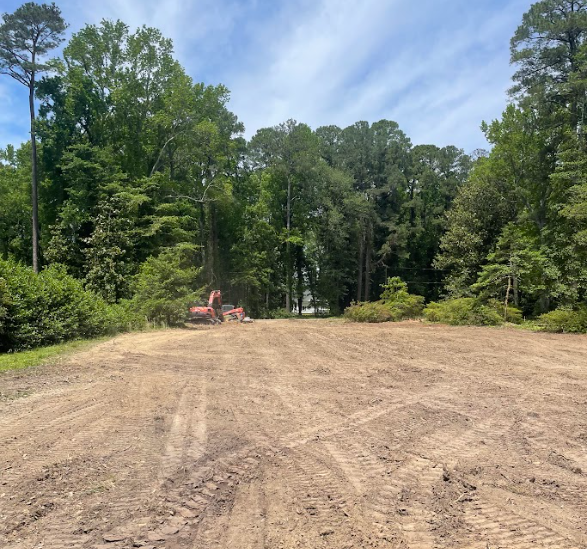
Land grading is a fundamental aspect of construction that involves adjusting the elevation and slope of the land. The primary purpose of land grading is to create a stable and level surface for building foundations. This process also plays a vital role in managing water drainage, preventing erosion, and ensuring that the site meets local zoning and environmental regulations. By implementing effective grading techniques, builders can enhance the longevity and safety of their structures.
How Proper Site Grading Impacts Foundation Stability and Drainage
Proper site grading significantly impacts the stability of a building’s foundation and its drainage capabilities. When the land is graded correctly, it enhances the load-bearing capacity of the soil, reducing the risk of settling or shifting over time. Additionally, effective grading directs water away from the foundation, minimizing the risk of water damage and erosion. Builders must employ soil stabilization techniques and drainage management strategies to ensure that the site remains stable and dry throughout the construction process and beyond.
What Are the Step-by-Step Land Grading Processes for Construction Sites in Virginia?
The land grading process involves several critical steps that builders must follow to ensure a successful outcome. These steps include:
- Consultation and Site Evaluation : Assessing the site to determine the specific grading needs based on soil type, topography, and drainage requirements.
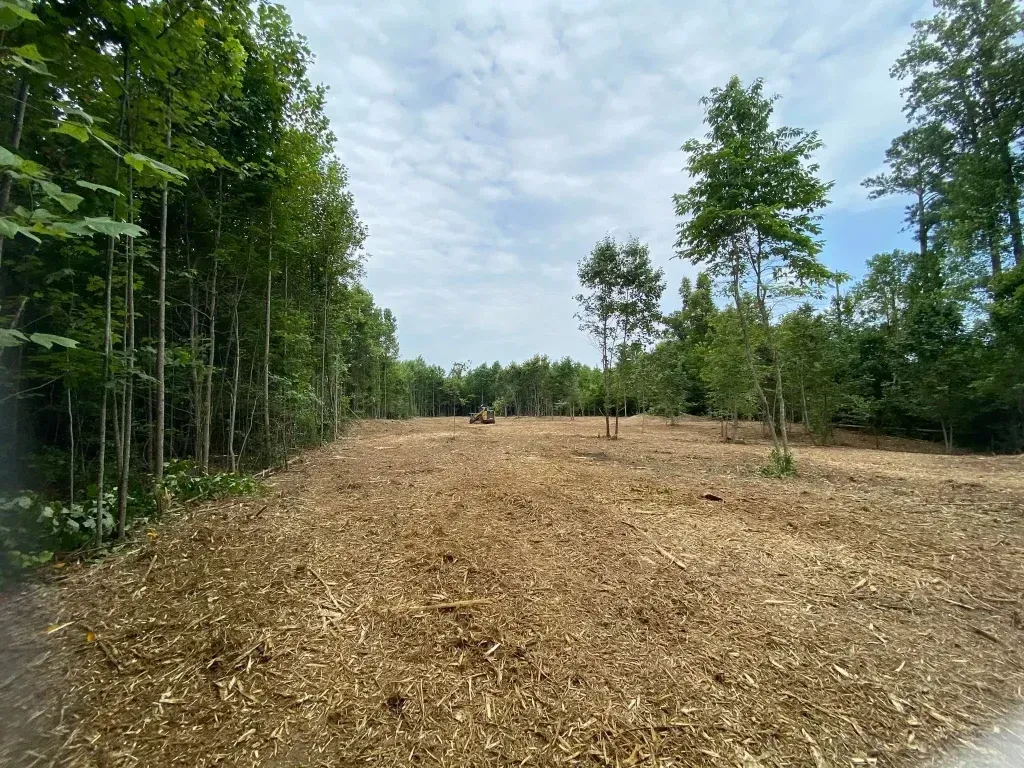
- Land Clearing Techniques : Removing vegetation, debris, and any obstacles that may hinder the grading process.
- Permitting Process : Obtaining the necessary permits from local authorities to ensure compliance with regulations.
Initial Site Preparation and Soil Compaction Techniques
Initial site preparation is essential for effective land grading. This involves clearing the site and compacting the soil to create a stable base for construction. Soil compaction techniques, such as using vibratory rollers or compactors, help to increase the density of the soil, enhancing its load-bearing capacity. Proper compaction reduces the likelihood of future settling and structural issues, making it a critical step in the grading process.
Managing Drainage and Erosion Control During Grading
Effective drainage management and erosion control are vital during the grading process. Builders must implement strategies to direct water away from the construction site and prevent soil erosion. Techniques such as installing silt fences, using sediment basins, and creating swales can help manage water flow and protect the graded area. Compliance with local regulations regarding erosion control is also essential to avoid potential fines and project delays.
Which Virginia Regulations Must Builders Follow for Grading and Excavation?
Virginia builders must adhere to specific regulations when it comes to grading and excavation. These regulations are designed to protect the environment and ensure public safety. Key regulations include:
- Erosion Control Regulations : Builders must implement measures to prevent soil erosion during and after the grading process.
- Permit Requirements : Obtaining the necessary permits from local authorities is crucial before commencing any grading work.
- Environmental Compliance : Builders must ensure that their grading practices do not negatively impact local ecosystems or waterways.
Understanding Grading Permits and Compliance Requirements
Grading permits are essential for any construction project in Virginia. These permits ensure that builders comply with local zoning laws and environmental regulations. The application process typically involves submitting detailed plans that outline the proposed grading work, including erosion control measures and drainage plans. Builders must also be prepared to demonstrate compliance with all relevant regulations to obtain the necessary approvals.
Role of Virginia Department of Environmental Quality in Site Grading
The Virginia Department of Environmental Quality (DEQ) plays a crucial role in overseeing grading and excavation activities within the state. The DEQ is responsible for enforcing environmental regulations and ensuring that builders adhere to best management practices. Builders must work closely with the DEQ to ensure that their grading projects comply with state laws and do not harm the environment.
What Equipment and Technology Are Used in Virginia Site Grading Services?
Various equipment and technology are utilized in site grading services to enhance efficiency and accuracy. Common machinery includes:
- Bulldozers : Used for moving large amounts of earth and leveling the ground.
- Graders : Essential for creating a smooth, even surface.
- Excavators : Employed for digging and removing soil.
Common Machinery: Bulldozers, Graders, and Excavators
Bulldozers, graders, and excavators are the backbone of any grading operation. Bulldozers are powerful machines that can push large volumes of soil, making them ideal for initial site clearing. Graders are used to create a flat surface, ensuring that the land is level and ready for construction. Excavators are versatile machines that can dig deep trenches and remove excess soil, making them essential for grading projects.
Recent Advances in Grading Equipment and Sustainable Practices
Recent advancements in grading equipment have focused on improving efficiency and sustainability. Modern machinery often incorporates GPS technology, allowing for precise grading and reduced material waste. Additionally, sustainable practices, such as using recycled materials for fill and implementing erosion control measures, are becoming increasingly important in the grading industry. These innovations not only enhance the grading process but also contribute to environmentally responsible construction practices.
Further emphasizing the role of technology, advancements like GPS and SmartGrade are transforming grading operations.
GPS & SmartGrade for Efficient Construction Site Grading
Heavy Civil is a sector in the construction industry involving a variety of different heavy machinery and construction practices. Technology has evolved as an important aspect in this sector striving to improve efficiency, productivity, and traditional construction methods. Global Positioning System (GPS) technology is one of the many technological advancements that benefit any size of contractor in the heavy civil industry. With the help of a 3D model, base station, and rover, contractors implement advanced building methods that provide excellent owner satisfaction. Similar to GPS, SmartGrade is a tool integrated into heavy machinery that enhances performance without the need of wiring or masts.
Use of GPS and SmartGrade Technology in Heavy Civil Construction, 2022
How Do Soil Compaction and Drainage Techniques Affect Construction Site Preparation?
Soil compaction and drainage techniques are critical components of construction site preparation. Proper soil compaction increases the density of the soil, providing a stable foundation for structures. Effective drainage techniques, such as installing drainage pipes and creating slopes, help manage water flow and prevent flooding. Together, these techniques ensure that the construction site is adequately prepared to support the weight of the building and withstand environmental factors.
Techniques for Effective Soil Compaction to Support Structures
Effective soil compaction techniques include using vibratory compactors, static rollers, and pneumatic compactors. Each method has its advantages, depending on the soil type and the specific requirements of the project. Proper compaction not only enhances the load-bearing capacity of the soil but also reduces the risk of future settling and structural issues.
Implementing Construction Site Drainage for Stormwater Management
Implementing effective drainage systems is essential for managing stormwater on construction sites. Techniques such as installing French drains, swales, and retention ponds can help direct water away from the foundation and prevent erosion. Builders must also consider local regulations regarding stormwater management to ensure compliance and protect the environment.
The importance of comprehensive stormwater management plans for Virginia projects is further highlighted by research into effective control strategies.
Stormwater Control Plans for Virginia Construction Projects
that includes past construction plans. Within this database, we identified a stormwater control plan for the three construction projects analyzed in this study. This stormwater control plan
Comparing costs of onsite best management practices to nutrient credits for stormwater management: A case study in Virginia, AL Nobles, 2017
What Are the Typical Costs and Timelines for Site Grading Before Construction in Virginia?
The costs and timelines for site grading can vary significantly based on several factors, including site size, soil type, and project complexity. On average, site grading projects in Virginia can range from $1,500 to $5,000, depending on the specific requirements. Builders should also consider the time needed for permitting and site preparation, which can add several weeks to the overall timeline.
Factors Influencing Cost Estimates for Land Grading Services
Several factors influence the cost estimates for land grading services , including:
- Site Characteristics : The size and topography of the site can significantly impact grading costs.
- Equipment Used : The type of machinery required for the project can affect overall expenses.
- Labor Costs : Skilled labor is essential for effective grading, and labor costs can vary based on local market rates.
Average Duration and Scheduling Considerations for Grading Projects
| Grading Process Step | Duration | Considerations |
|---|---|---|
| Site Evaluation | 1-2 days | Weather and site access |
| Land Clearing | 2-5 days | Size of the site and vegetation density |
| Soil Compaction | 1-3 days | Soil type and compaction method |
| Final Grading | 1-2 days | Equipment availability and site conditions |
This table outlines the typical duration for each step in the grading process, helping builders plan their projects effectively.
Ready to Start Your Site Grading Project?
Contact us today to discuss your site grading needs and learn more about our comprehensive site grading services . Our expert team is here to help you ensure a stable foundation and successful construction project.
For any inquiries or to get started with your project, you can contact us .
Licensed • Insured • Environmentally-Responsible