March 9, 2026
Forestry Mulching vs. Traditional Land Clearing: What's Best for Your Property?
When it comes to land clearing, property owners often face a critical decision: should they opt for forestry mulching or traditional land clearing methods? Understanding the differences between these two approaches is essential for making an informed choice that aligns with your property needs and environmental considerations. This article will delve into the mechanics, benefits, and drawbacks of both forestry mulching and traditional land clearing, providing you with the insights necessary to determine the best option for your property. We will explore the environmental impacts, cost efficiency, and regulatory requirements associated with each method, ensuring you have a comprehensive understanding of your options.
What Is Forestry Mulching and How Does It Benefit Your Property?
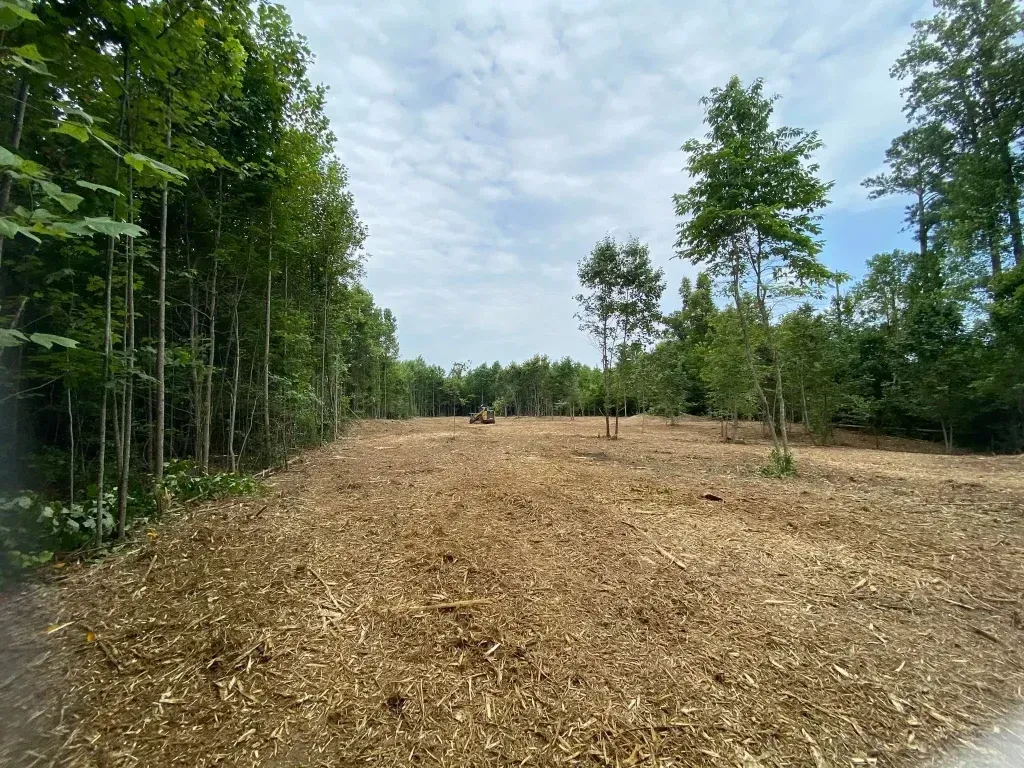
Forestry mulching is a land clearing technique that utilizes specialized equipment to grind vegetation into mulch on-site. This method not only clears land but also leaves the mulch behind, which can improve soil health and prevent erosion. The primary benefit of forestry mulching lies in its ability to minimize soil disturbance while providing immediate ground cover, which is crucial for maintaining the ecological balance of the area. Additionally, this technique is often faster and more efficient than traditional clearing methods, making it an attractive option for many property owners.
Indeed, research emphasizes the critical role of mulch in mitigating soil disturbance during land clearing operations.
Mitigating Soil Disturbance in Forest Operations with Mulch
Ground-based mechanized forest operations can cause severe soil disturbances that are often long lasting and detrimental to the health of forested ecosystems. To reduce these soil disturbances, focus is being increasingly directed at identifying and using appropriate mitigation techniques. Two main types of amendments emerged to mitigate soil disturbances: brush mats and mulch cover.
Feasibility of mulching technology as an alternative to slash-and-burn farming in eastern Amazon: A cost–benefit analysis, J Mburu, 2007
How Does Forestry Mulching Work Using Specialized Equipment?
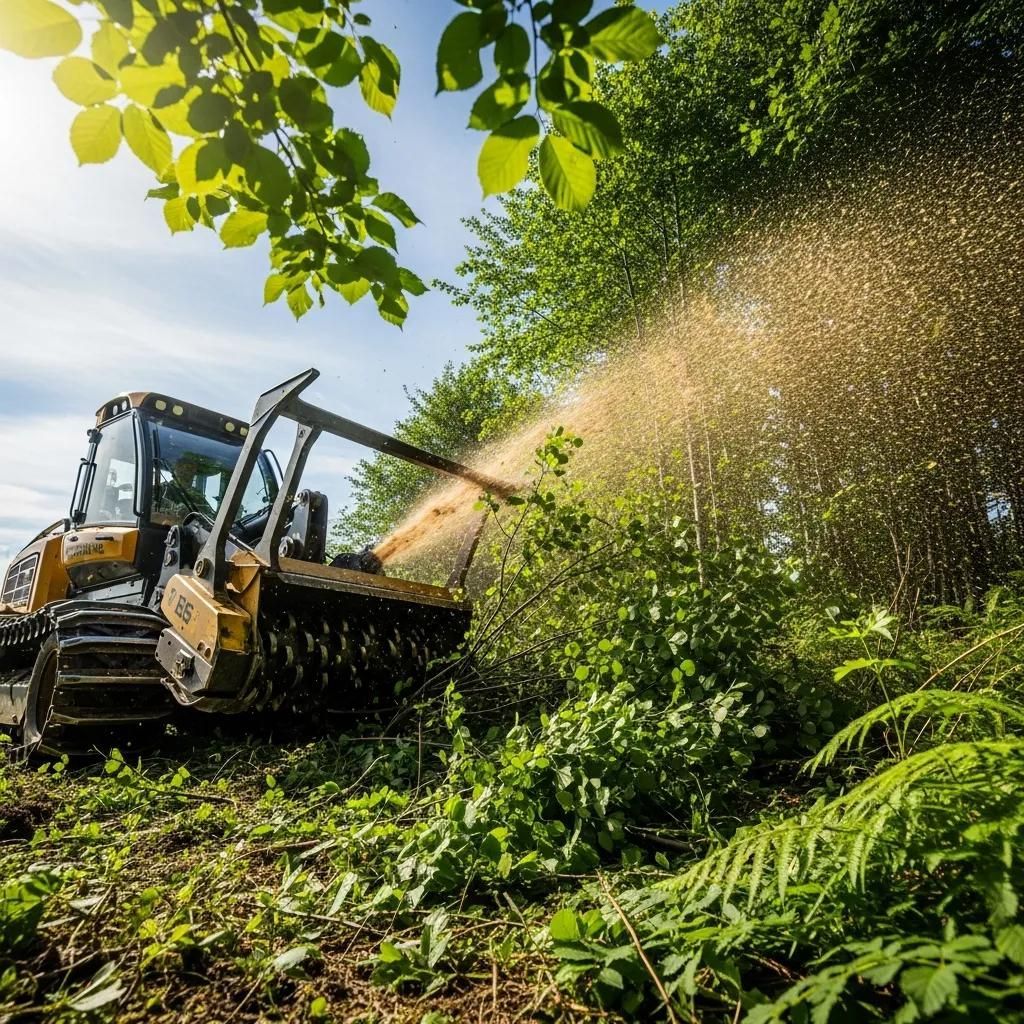
Forestry mulching employs heavy machinery equipped with a rotating drum and sharp blades that can efficiently shred trees, brush, and other vegetation. This single-step process allows for quick clearing without the need for multiple passes or additional equipment. The resulting mulch is spread evenly across the ground, which helps retain moisture and enrich the soil. This method is particularly beneficial in areas where preserving the existing ecosystem is a priority, as it reduces the need for extensive site preparation and minimizes the impact on surrounding flora and fauna.
Virginia Land Clearing and Development specializes in land clearing and site preparation services in Coastal Virginia, focusing on forestry mulching and traditional land clearing methods. Their expertise ensures that property owners receive tailored solutions that meet their specific needs while adhering to environmental standards.
What Are the Environmental Advantages of Forestry Mulching?
Forestry mulching offers several environmental benefits that make it a preferred choice for land clearing:
- Erosion Prevention : The mulch left on-site acts as a protective layer, reducing soil erosion and promoting water retention.
- Soil Health Improvement : As the mulch decomposes, it enriches the soil with organic matter, enhancing its fertility and structure.
- Reduced Environmental Impact : This method minimizes the disturbance to the surrounding ecosystem, preserving habitats and promoting biodiversity.
These advantages highlight why forestry mulching is increasingly recognized as an environmentally responsible land clearing option.
Scientific literature consistently highlights how mulching significantly contributes to soil health.
Sustainable Mulching for Enhanced Soil Health
Mulching has demonstrated efficacy to enhance soil health by reducing evaporation, increasing moisture retention, regulating temperature, enhancing nutrient availability and root absorption, suppressing weeds, decreasing salinity, encouraging biological activity, and controlling crop pests and diseases.
Mulching: A sustainable option to improve soil health, 2019
What Are Traditional Land Clearing Methods and Their Impact?
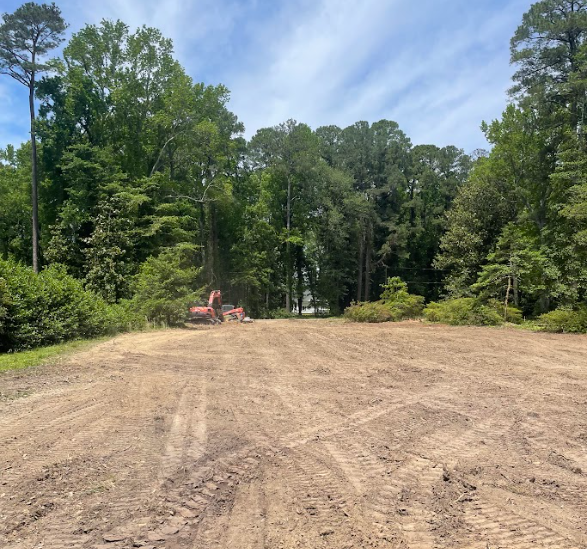
Traditional land clearing methods typically involve the use of heavy machinery to remove trees and vegetation, often resulting in significant soil disturbance. Techniques such as bulldozing and burning can lead to soil erosion, loss of nutrients, and disruption of local ecosystems. While these methods may be effective for large-scale clearing, they often come with substantial environmental costs, including increased runoff and habitat destruction.
Which Equipment and Techniques Are Used in Traditional Land Clearing?
Traditional land clearing employs various equipment and techniques, including:
- Bulldozers : Heavy machinery used to push over trees and clear land.
- Chainsaws : Handheld tools for cutting down trees and large vegetation.
- Burning : A method used to clear debris and prepare land, though it poses fire risks and air quality concerns.
These methods can be effective for certain projects but often require more extensive site preparation and can lead to long-term environmental consequences.
What Are the Environmental and Soil Disruption Concerns with Traditional Clearing?
Traditional land clearing raises several environmental and soil disruption concerns:
- Soil Disturbance : The removal of vegetation can lead to soil erosion and degradation, impacting the land’s long-term health.
- Impact on Local Ecosystems : Clearing can disrupt habitats, leading to a decline in local wildlife populations and biodiversity.
- Regulatory Implications : Many areas have strict regulations governing land clearing practices to protect the environment, which can complicate traditional methods.
Understanding these concerns is crucial for property owners considering traditional land clearing.
How Do Forestry Mulching and Traditional Clearing Compare in Cost and Efficiency?
When comparing forestry mulching and traditional clearing, cost and efficiency are significant factors to consider. Forestry mulching is often more cost-effective due to its single-step process, which reduces labor and equipment costs. Additionally, the immediate ground cover provided by mulch can lead to lower long-term maintenance costs.
What Are the Typical Cost Ranges for Each Land Clearing Method in Virginia?
The cost of land clearing can vary significantly based on the method used:
- Forestry Mulching : Typically ranges from $1,200 to $3,000 per acre, depending on the density of vegetation and site conditions.
- Traditional Clearing : Costs can range from $2,500 to $5,000 per acre, factoring in additional expenses for site preparation and debris removal.
These cost differences highlight the potential savings associated with forestry mulching.
A detailed cost-benefit analysis further supports the financial viability of mulching as an alternative to more destructive clearing methods.
Cost-Benefit Analysis: Mulching vs. Slash-and-Burn Clearing
This paper addresses the question as to whether it is profitable to apply a mechanical mulching technology (MT) in the Bragantina region of Brazil and assesses the technology’s feasibility as an alternative to the slash-and-burn practices of the Amazon. Using empirical data collected from a prototype assessment and a few secondary sources, the paper employs a cost–benefit analysis of ‘with’ and ‘without’ technology cropping systems (plots that applied the technology are compared with those that did not) to assess the financial and economic feasibility of investing in the MT.
Feasibility of mulching technology as an alternative to slash-and-burn farming in eastern Amazon: A cost–benefit analysis, J Mburu, 2007
How Do Timeframes and Site Preparation Efficiency Differ Between Methods?
Forestry mulching generally offers faster site preparation compared to traditional methods. While traditional clearing may require multiple steps and extended timelines, forestry mulching can often be completed in a single day, depending on the size of the area. This efficiency not only saves time but also minimizes disruption to the surrounding environment.
What Are the Regulatory and Permit Requirements for Land Clearing in Coastal Virginia?
Land clearing in Coastal Virginia is subject to various regulatory and permit requirements designed to protect the environment. Property owners must be aware of these regulations to ensure compliance and avoid potential fines.
Which Virginia State Regulations Govern Forestry Mulching and Traditional Clearing?
Virginia has specific regulations that govern both forestry mulching and traditional clearing methods. These regulations often focus on minimizing environmental impact, protecting water quality, and preserving local ecosystems. Property owners should consult with local authorities to understand the specific requirements applicable to their projects.
How to Secure Necessary Permits for Environmentally Responsible Land Clearing?
Securing the necessary permits for land clearing involves several steps:
- Consult Local Authorities : Engage with local government offices to understand the specific regulations and requirements.
- Prepare Documentation : Gather necessary documentation, including site plans and environmental assessments.
- Submit Applications : Complete and submit permit applications, ensuring all information is accurate and comprehensive.
Following these steps can help ensure a smooth permitting process for environmentally responsible land clearing.
What Case Studies Demonstrate Successful Forestry Mulching Projects in Virginia?
Several case studies highlight the successful application of forestry mulching in Virginia, showcasing its effectiveness and environmental benefits.
How Have Local Projects Benefited from Forestry Mulching Techniques?
Local projects have demonstrated that forestry mulching can enhance land usability while preserving ecological integrity. For instance, a recent project in Coastal Virginia utilized forestry mulching to clear invasive species, resulting in improved biodiversity and healthier soil conditions.
What Client Testimonials Highlight Satisfaction with Environmentally Friendly Land Clearing?
Clients have expressed satisfaction with forestry mulching services, noting the efficiency and environmental benefits. Many appreciate the minimal disruption to their properties and the immediate improvement in soil health.
How to Choose the Best Land Clearing Method for Your Property Needs?
Selecting the best land clearing method involves considering several factors, including environmental impact, cost, and project goals.
What Factors Should Landowners Consider When Selecting a Clearing Method?
Landowners should evaluate the following factors:
- Environmental Impact : Consider how each method affects local ecosystems and soil health.
- Cost and Efficiency : Analyze the financial implications and timeframes associated with each method.
- Regulatory Compliance : Ensure that the chosen method adheres to local regulations and permits.
By weighing these factors, property owners can make informed decisions that align with their goals and values.
How Does Virginia Land Clearing and Development Customize Solutions for Diverse Clients?
Virginia Land Clearing and Development tailors its services to meet the unique needs of each client. Through consultations, they assess individual project requirements and recommend the most suitable land clearing method, whether it be forestry mulching or traditional clearing. This personalized approach ensures that clients receive effective solutions that align with their environmental and financial goals.