How to Prepare Your Land for Construction in Coastal Virginia
Preparing Your Coastal Virginia Land for Construction
Preparing land for construction in Coastal Virginia means taking a deliberate, step-by-step approach so your site is safe, stable, and permit-ready. Beyond clearing vegetation, proper preparation includes grading for drainage, stabilizing soils to prevent settling, and following local environmental rules. Owners and contractors who understand these steps avoid costly delays and compliance problems. Below we cover the core techniques and services—land clearing, site grading, erosion control, and Coastal Virginia permitting—so your project moves forward smoothly.
Land Clearing Services and Techniques
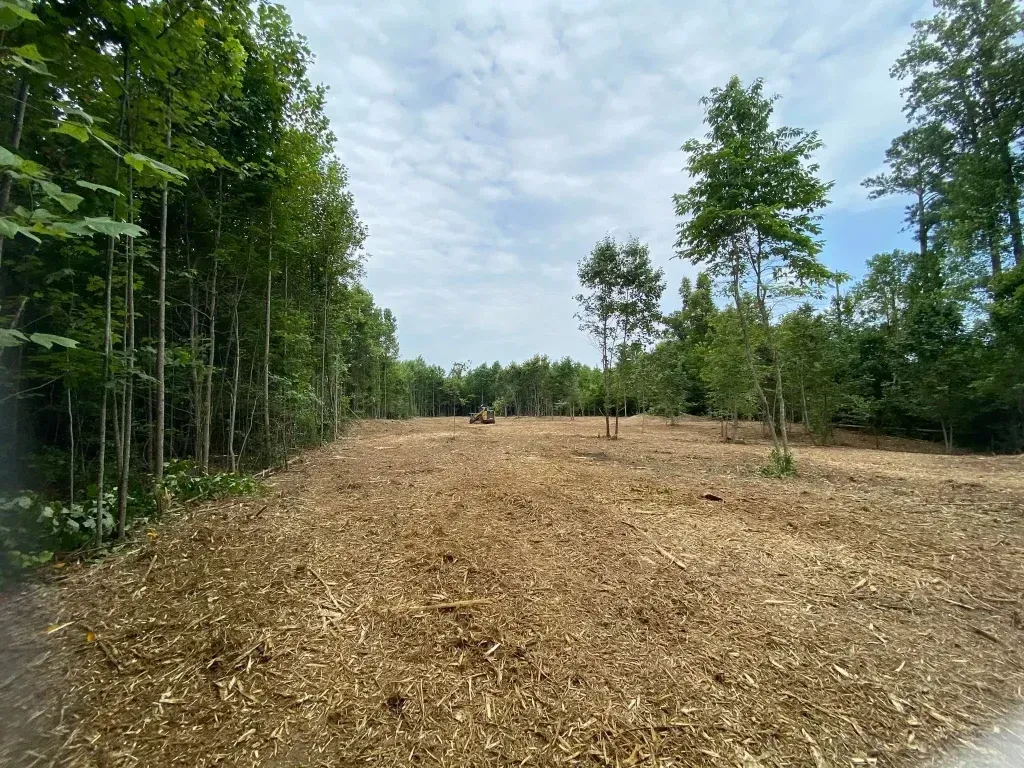
Land clearing is the first practical step to make your parcel build-ready. It removes trees, brush, and debris to create a safe work area and allow accurate site layout. Done correctly, clearing reduces hazards and speeds later phases of construction. Professional crews use the right equipment and methods to complete the work efficiently and in compliance with local rules.
- Importance of Land Clearing
: Clearing creates safe, accessible work areas and enables precise site evaluations and layout.
- Techniques Used
: Typical approaches include tree and brush removal, selective clearing, and stump grinding—each chosen to match the vegetation and project goals.
- Benefits of Professional Services
: Hiring experts ensures the work is fast, safe, and lawful. Virginia Land Clearing and Development provides tailored clearing services for Coastal Virginia projects—reach us at (757) 870-7089
or Luke.Evans@virginialcd.com
for estimates and guidance.
Site Grading and Soil Stabilization
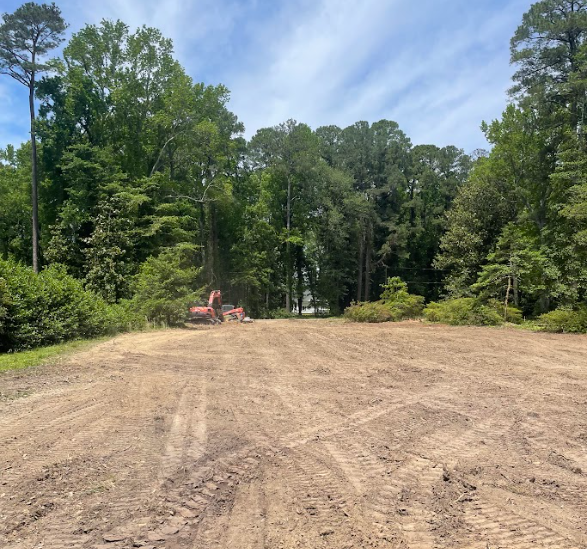
Site grading shapes the land so water drains away from foundations and structures. Proper grading sets the stage for a durable build. Soil stabilization strengthens weak soils so they support loads without excessive settling or movement.
- Techniques for Grading
: Grading typically involves cutting and filling to create design elevations, using equipment like bulldozers, graders, and compactors.
- Importance of Soil Stabilization
: Stabilization methods—compaction, additives, or geotextiles—reduce erosion and increase load-bearing capacity to protect the foundation long term.
- Impact on Construction Readiness
: Accurate grading and effective stabilization prevent rework and delays, keeping the schedule on track for follow-on trades.
Erosion Control and Environmental Compliance
Erosion control is critical in coastal settings where storms and runoff can quickly move soil. Effective measures protect nearby waterways, keep your site intact, and help you meet regulatory obligations.
- Erosion Control Methods
: Common solutions include silt fences, sediment basins, temporary mulching, and establishing vegetation to reduce runoff and trap sediment.
- Regulatory Requirements
: Coastal Virginia projects must meet standards from the Virginia Department of Environmental Quality and local authorities, including required permits and approved erosion-control plans.
- Best Practices for Compliance
: Frequent inspections, prompt maintenance of controls, and early coordination with regulators minimize violations and project interruptions.
Erosion Control Measures and Environmental Compliance
To compare common approaches, the table below summarizes methods by purpose, typical effectiveness, and where they’re applied.
Selecting the right mix of controls based on site conditions and expected runoff is key to protecting water quality and staying compliant.
Permitting Process in Coastal Virginia
Navigating permits early avoids surprises. Knowing which approvals you need and the typical steps helps keep your project on schedule and lawful.
- Types of Permits Required
: Common approvals include land-disturbance permits, building permits, and environmental permits—each addresses different aspects of construction and site protection.
- Steps to Obtain Permits
: Most permitting paths require submitting site plans, completing applications, and scheduling inspections. Early pre-application meetings with local agencies often streamline the review.
- Importance of Compliance
: Proper permitting prevents fines, stoppages, and costly redesigns—ensuring work proceeds according to local standards.
If you need help with permit strategy or submissions, Virginia Land Clearing and Development can assist throughout the process.
Heavy Equipment Used in Land Preparation
Using the right machinery speeds work and improves safety. Different machines perform different tasks during clearing and grading.
- Common Equipment Types
: Typical machines include excavators, bulldozers, backhoes, and skid steers—each selected for the task and site constraints.
- Functions of Each Type
: Excavators are used for digging and moving large volumes of soil. Bulldozers push and grade soil to shape the site. Backhoes handle digging and light lifting, and skid steers provide versatile support for tight spaces.
- Importance of Using Proper Equipment
: Matching equipment to the job increases efficiency, reduces risk, and helps meet project specifications and regulatory requirements.
Case Studies and Project Examples
Real project examples reveal how teams solve common site challenges and what to expect during each phase of work.
- Examples of Projects
: Case studies often include residential lots, commercial pads, and public infrastructure—each demonstrating tailored clearing, grading, and erosion-control plans.
- Challenges Faced
: Common obstacles include steep or marshy terrain, unpredictable weather, and permitting constraints that require adaptive solutions.
- Solutions Implemented
: Successful projects combine well-planned erosion controls, staged grading, and the right equipment to limit disturbance and meet timelines.
Studying these examples helps owners and contractors plan smarter, anticipate obstacles, and choose contractors who deliver dependable results.